
We notice scent immediately—but we rarely design for it.
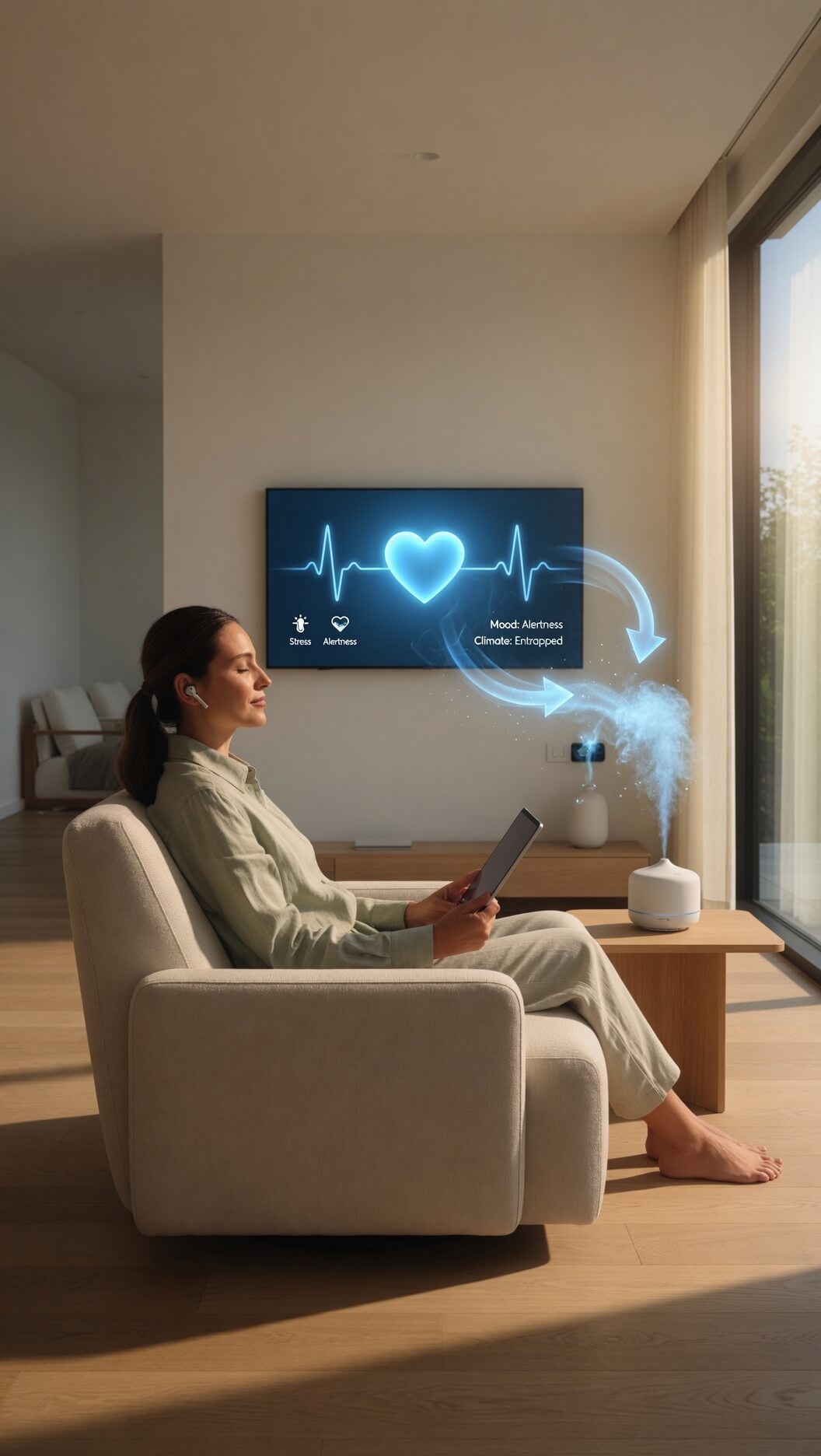
A car that smells off. A room that feels fresh. A space that subtly shifts how we feel. These moments shape perception within seconds, yet scent has remained largely unmanaged while everything else—lighting, music, climate—has become intelligent and responsive.
That’s starting to change.
Most air systems today are passive. They move air, filter it, and sometimes add fragrance—but they don’t adapt to who is in the space, what just happened, or how people are feeling. This is especially clear in mobility environments, where each passenger inherits the air left behind by the previous one. The result is inconsistency, and often discomfort, in spaces that are otherwise highly engineered.
What’s emerging is a shift toward treating air and scent as part of a responsive system—one that can reset, adapt, and align with real-time conditions. Instead of being static, the environment becomes dynamic—capable of maintaining balance as conditions change.
In the home, this means environments that evolve throughout the day, aligning with routines and transitions. In mobility, it means creating consistent, controlled cabin experiences that improve perception and comfort across every ride. And increasingly, with the integration of biometric data, it means environments that can respond to signals like stress, fatigue, and alertness—introducing the concept of a feedback loop between human state and environment.
We’ve already seen this transformation across other sensory systems. Music became streaming and personalized. Lighting became adaptive. Media became dynamic and data-driven.
Now it’s Scent
The opportunity is not just about adding fragrance—it’s about integrating scent into the broader system of how environments function and respond.
The future isn’t just smart environments.
It’s environments that feel smart.