
In our screen-filled, fast-paced world, we often overlook one of our most powerful senses: smell.
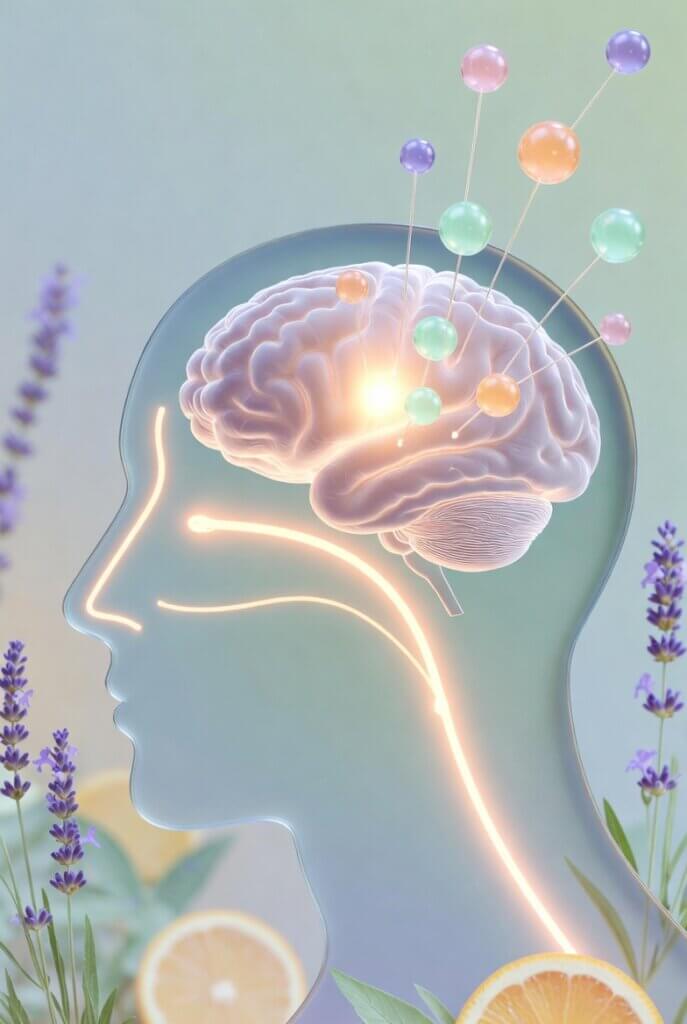
While sight and sound dominate modern life, the olfactory system has a unique, direct highway to the brain’s emotional and memory centers. Emerging technologies in digital scent delivery are making it easier than ever to harness this power intentionally—for better focus, calmer moods, cleaner air, and overall well-being. We are digitizing the world of scent.
The Neuroscience of Scent: A Direct Line to Emotion and Memory
Unlike other senses, smell bypasses the brain’s thalamus (the usual sensory relay station) and connects almost immediately to the amygdala (emotion) and hippocampus (memory). This explains why a familiar scent can instantly transport you back to childhood or shift your mood in seconds.
Research shows:
- Smells influence up to 75% of our daily emotions.
- Odor-evoked memories tend to be more emotional and vivid than those triggered by sights or sounds.
- Positive scent experiences can reduce stress markers, lower inflammation, and promote slower, deeper breathing.
This “nose-brain axis” is why aromatherapy and intentional scent use feel so potent. The olfactory bulb can even grow with regular stimulation (like smell training), supporting better memory and cognitive function over time.
Human Benefits: From Mood Regulation to Physical Wellness
Scent isn’t just pleasant—it’s functional. Here’s what the science and real-world applications show:
1. Mood and Emotional Balance Certain aromas reliably influence how we feel. Lavender often promotes relaxation and better sleep by interacting with GABA pathways (the brain’s “calm down” system). Citrus scents like orange or bergamot can uplift mood and reduce feelings of anxiety. Peppermint or rosemary may sharpen alertness and focus.
2. Stress Reduction and Mental Clarity Pleasant scents can lower cortisol, ease anxiety, and improve cognitive performance. In studies, exposure to targeted aromas helped with attention, verbal memory, and even reduced mental fatigue during demanding tasks.
3. Air Quality and Physical Comfort Beyond mood, advanced scent systems address practical needs:
- Neutralizing unwanted odors (smoke, food, pets) at a molecular level instead of masking them.
- Supporting cleaner air by reducing airborne pathogens.
- Helping with motion discomfort during travel.
4. Memory Support and Brain Health Regular, varied scent exposure has shown promise in preserving cognitive function, especially as we age. One study found older adults using nightly scent rotation experienced significant memory improvements and positive brain changes.
Modern Digital Scent Approaches: Precision and Personalization
Traditional candles or sprays have limitations—uneven diffusion, heat degradation, or residue. Newer dry-air diffusion technologies use infused polymers and precise control to deliver consistent, clean scent experiences. These systems often integrate smart controls, allowing on-demand release tailored to time of day, activity, or preference (e.g., energizing in the morning, calming in the evening).
In vehicles or shared spaces, this can create “wellness rides” with fresher cabins and mood-supporting profiles. At home, it turns rooms into personalized environments that support sleep, focus, or recovery—without heavy chemicals or constant maintenance.
The educational takeaway: Scent works best when it’s intentional, consistent, and high-quality. Start simple—notice how different smells affect you, then experiment with targeted diffusion.
Getting Started with Scent for Wellness
- Morning: Bright citrus or mint for alertness.
- Focus work: Rosemary or peppermint.
- Evening wind-down: Lavender or chamomile blends.
- Travel: Ginger, peppermint, or specially formulated relief scents for comfort.
- Daily habit: Rotate several pleasant, natural aromas to keep your olfactory system engaged.
The Bigger Picture
Scent is a subtle but profound lever for human flourishing. As we better understand the olfactory system’s role in emotion, memory, and even immune regulation, technologies that deliver scent cleanly and intelligently open new doors for everyday wellness.
By paying more attention to what we smell—and choosing experiences that support our goals—we can tap into an ancient sense for very modern benefits: better moods, sharper minds, and a greater sense of well-being in our homes, cars, and daily routines.
What scent has the strongest positive effect on you? Share in the comments—I’d love to hear your experiences.